
Morning All,
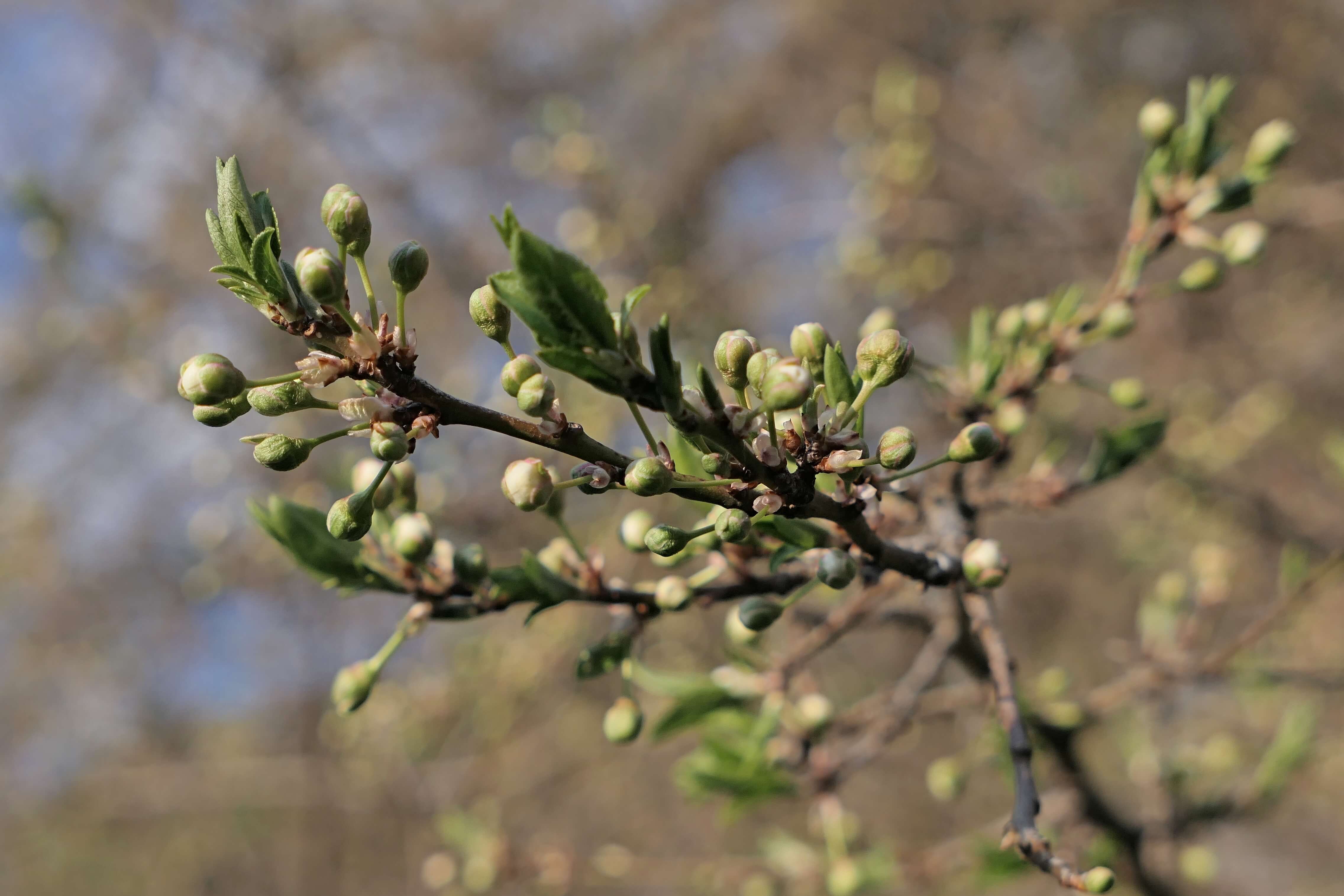
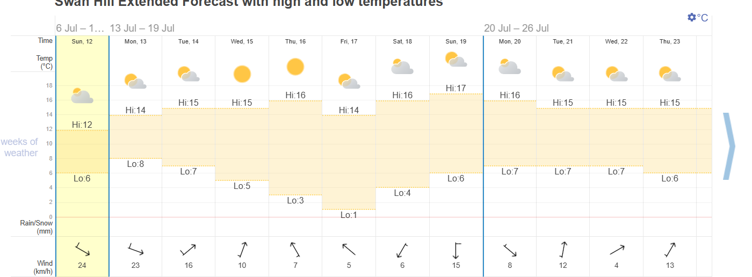
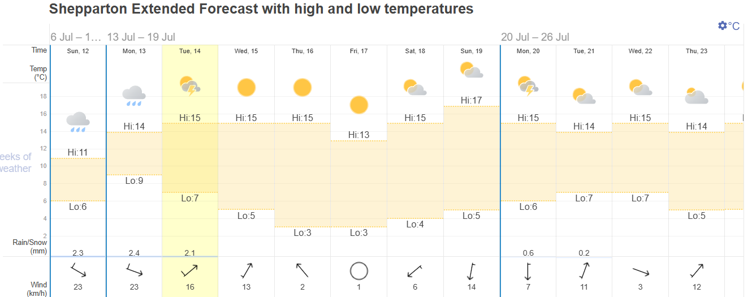
With the days getting longer and buds beginning to move, it's worth looking not only at our current Richardson Chill Units (RCU), but also at what is predicted over the next 14 days.
The good news is that none of the growing regions are forecast to experience significant warm weather over the next fortnight, although there will be some regional variation. The season is still tracking earlier than normal in the Sunraysia and Riverland, so expect to see bud swell on the earlier almond varieties between 16–20 July. Ne Plus Almonds are already beginning to flower on some of the higher ridges in the Riverland.
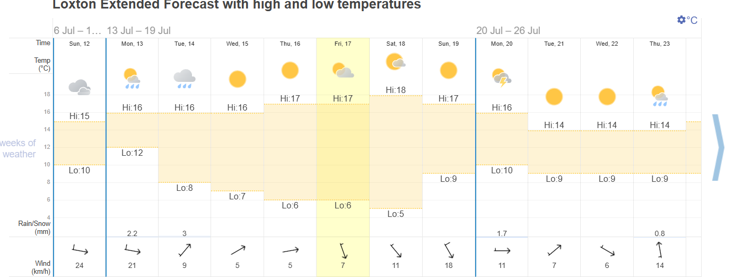
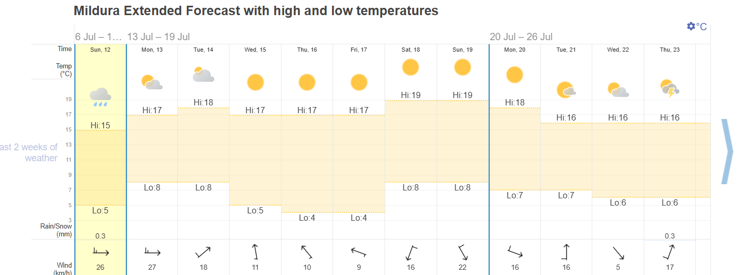
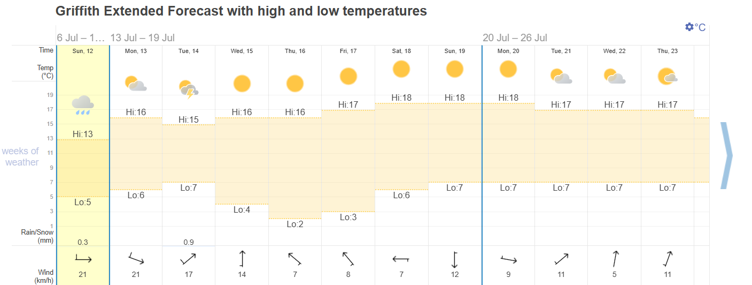
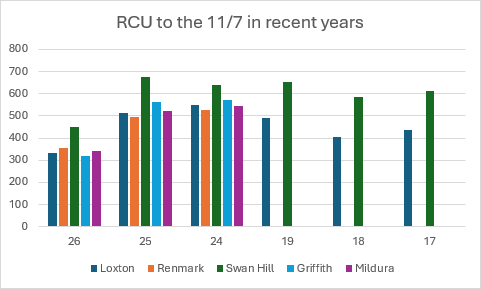
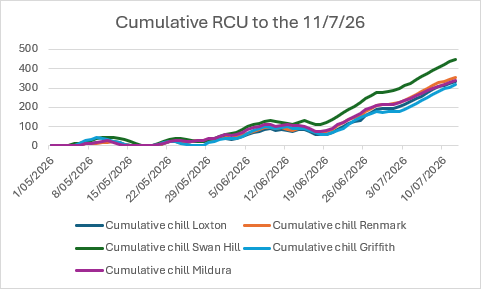
Based on the current data, most almond varieties should have received adequate chill by around 20 July. All regions are still tracking behind previous seasons. One of the questions with chill during this stage of the year, as to the accumulation of chill once buds begin to move, suggests that as buds move further, chill accumulation ceases. Pistachios appear to be a crop for which this research, as noted below, does not apply.
Research indicates that once bud endodormancy is fulfilled and budburst begins, chill accumulation effectively ceases, and heat accumulation begins driving growth. However, specialised studies suggest that early phases of ontogenetic growth can partially overlap with late-stage chilling, making the dormancy-to-growth transition a continuous physiological gradient.
What this research comment suggests is that this transition is likely to be highly variety dependent. If the warmer weather forecast for next week is followed by another cool change, phenological growth will be stopped post-bud swelling in some varieties. Ideally, cooler conditions will continue long enough to help synchronise flowering between cross-pollinating varieties.
One of the biggest challenges this season has been the variation between plant species. I have already seen cherries moving into pink bud, table grapes reaching early woolly bud, and Ne Plus almonds beginning to flower. At the same time, pomegranates have shown very little bud movement despite being a relatively low-chill crop. Guavas have gone into a second flowering with fruit set and still haven't dropped their leaves. Around home, my coffee, paw paw and mango are still growing with no sign of cold shock. Add soils at field capacity, the system is primed to break bud with favourable temperatures.
The difficult area to estimate with the phenology of the breaking of chill accumulation is that for many of the varieties grown in the Riverland/Sunraysia, chill is getting close to being adequate, so it would not be surprising to see some variable crop loads based on localised topography and flows of cold air within properties.
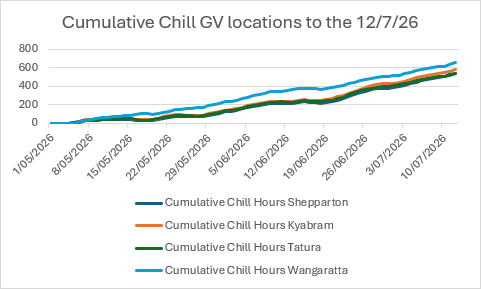
As always, we're looking into the crystal ball a little. The encouraging news is that temperatures below 20°C are forecast across all regions over the next two weeks, which should help keep development progressing steadily.
Regards,
Shane Phillips | Head Chemist - Research & Development
E: shane.phillips@biocentral-labs.com
Stay connected and receive updates, resources and insights—subscribe to our newsletter today.


